
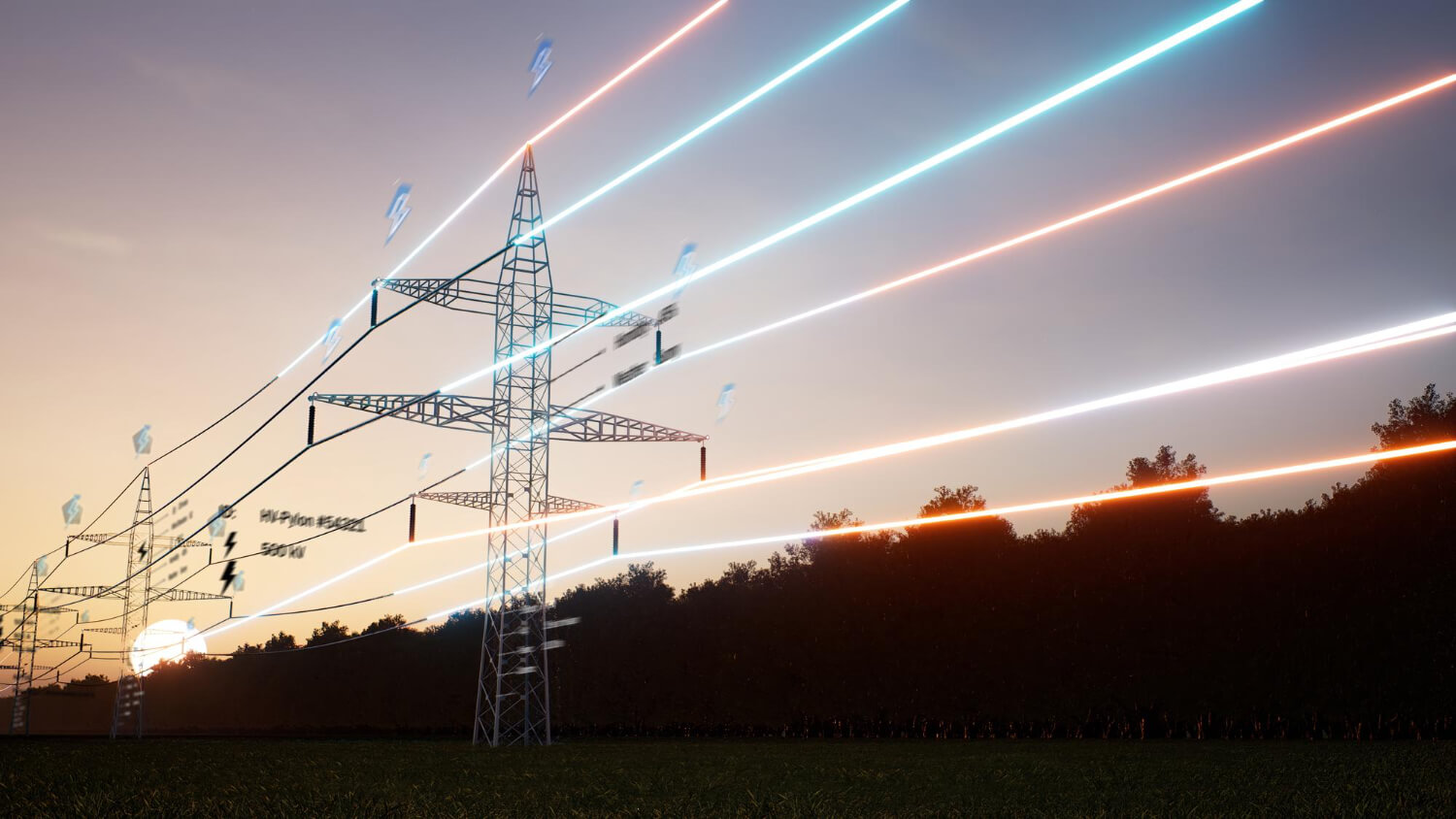
How manufacturers are adapting electrical infrastructure to support electrification, expansion, and future operational requirements
Industrial electrification is accelerating faster than many existing infrastructures can support
Across manufacturing environments, electricity demand is increasing due to several parallel developments: replacement of fossil-fuel-based systems, installation of EV charging infrastructure, expansion of automated production equipment, and growing demand for stable, high-capacity power distribution.
For many industrial sites, the challenge is no longer only energy efficiency. Existing substations, cable infrastructure, and grid connections are often reaching their operational limits.
At Contec, we increasingly support clients evaluating how their electrical infrastructure can evolve alongside production growth and electrification initiatives.
Understand what is driving the increase in electricity demand
In most projects, the increase in electrical load is not caused by a single system, but by multiple changes happening simultaneously across the site.
Typical examples include:
- installation of EV charging infrastructure
- replacement of gas boilers with electric systems
- electrification of pumps and rotating equipment
- expansion of automated production lines
- higher demand for process cooling systems
- integration of energy-intensive digital infrastructure
In one recent project, a production facility required expansion of its grid connection from 15MVA to 24MVA to support future operational requirements and planned electrification initiatives.

Evaluate the limitations of the existing infrastructure
One of the most common issues in industrial environments is that electrical infrastructure has evolved incrementally over many years.
As a result:
- substations may no longer support required loads
- cable routing becomes difficult to expand
- protection systems may require modernization
- and operational redundancy is often limited
Before defining upgrade scenarios, it is important to assess:
- available grid capacity
- existing substation condition
- underground cable infrastructure
- operational redundancy
- maintenance accessibility
- and future scalability requirements
These assessments are particularly important in live production environments where operational continuity remains critical.

Infrastructure upgrades require more than additional capacity
Increasing grid connection capacity is rarely limited to adding transformers or installing larger cables.
In practice, these projects often involve:
- new substation layouts
- earth grid calculations
- underground routing studies
- high-voltage material specifications
- protection coordination
- and phased migration scenarios
Engineering decisions also need to consider future operational flexibility and maintainability, not only immediate capacity requirements.
In several projects supported by Contec, detailed engineering packages were developed to support contractor bidding, phased execution, and smooth integration into existing production environments.

Minimizing operational impact during execution
One of the most sensitive phases in electrical infrastructure projects is execution inside operational facilities.
Shutdown windows are often limited, while production continuity remains a top priority.
This requires:
- detailed preparation
- phased commissioning strategies
- temporary power scenarios
- and close coordination between engineering, contractors, and operations teams
The objective is not simply completing the installation, but ensuring a stable and predictable transition between old and new infrastructure.

Preparing infrastructure for long-term industrial transformation
Industrial electrification is no longer limited to sustainability programs. It is becoming directly connected to operational scalability, automation growth, and future production requirements.
Manufacturers investing in electrification today are also preparing their facilities for:
- higher automation density
- digital production environments
- energy monitoring initiatives
- and future operational flexibility.
For many organizations, electrical infrastructure is becoming a strategic operational asset rather than only a utility layer.


