

Turning wasted energy into measurable operational savings
A leading global food & nutrition manufacturer implemented a heat recovery solution at one of its production facilities in France to improve energy efficiency and reduce operational costs.
The objective was to capture excess heat generated by the evaporation process and reuse it within the plant, integrating the solution into an existing, continuously running production line.
Contec delivered the full automation and integration of the heat recovery system, enabling efficient energy reuse while ensuring uninterrupted production and full compliance with client standards.
Project Highlights:
-
 Integration of a heat recovery system into an existing production line
-
Automation of 23 valves, 8 pumps, and 55 field instruments
-
PLC and HMI development aligned with client standards
-
Process simulation and testing using virtual environments
-
Seamless commissioning with no production downtime
-
Tangible energy and cost savings for the client
 Integration of a heat recovery system into an existing production line
The challenge
Integrating a new energy system into a live production environment
The project required the implementation of a heat recovery system within an already operational production line, without interrupting ongoing manufacturing activities.
The system involved complex process integration, including multiple valves, pumps, and sensors that needed to be coordinated reliably within the existing automation environment.
Additionally, all development had to strictly follow client-specific programming standards and object libraries, ensuring consistency with existing systems.
A key challenge was validating the system behavior prior to deployment, minimizing risks during commissioning and ensuring a smooth transition to live operation.





Our approach
Simulation-driven development and controlled system integration
Contec started with the development of a Functional Design Specification (FDS) based on third-party P&IDs, ensuring full alignment with process requirements.
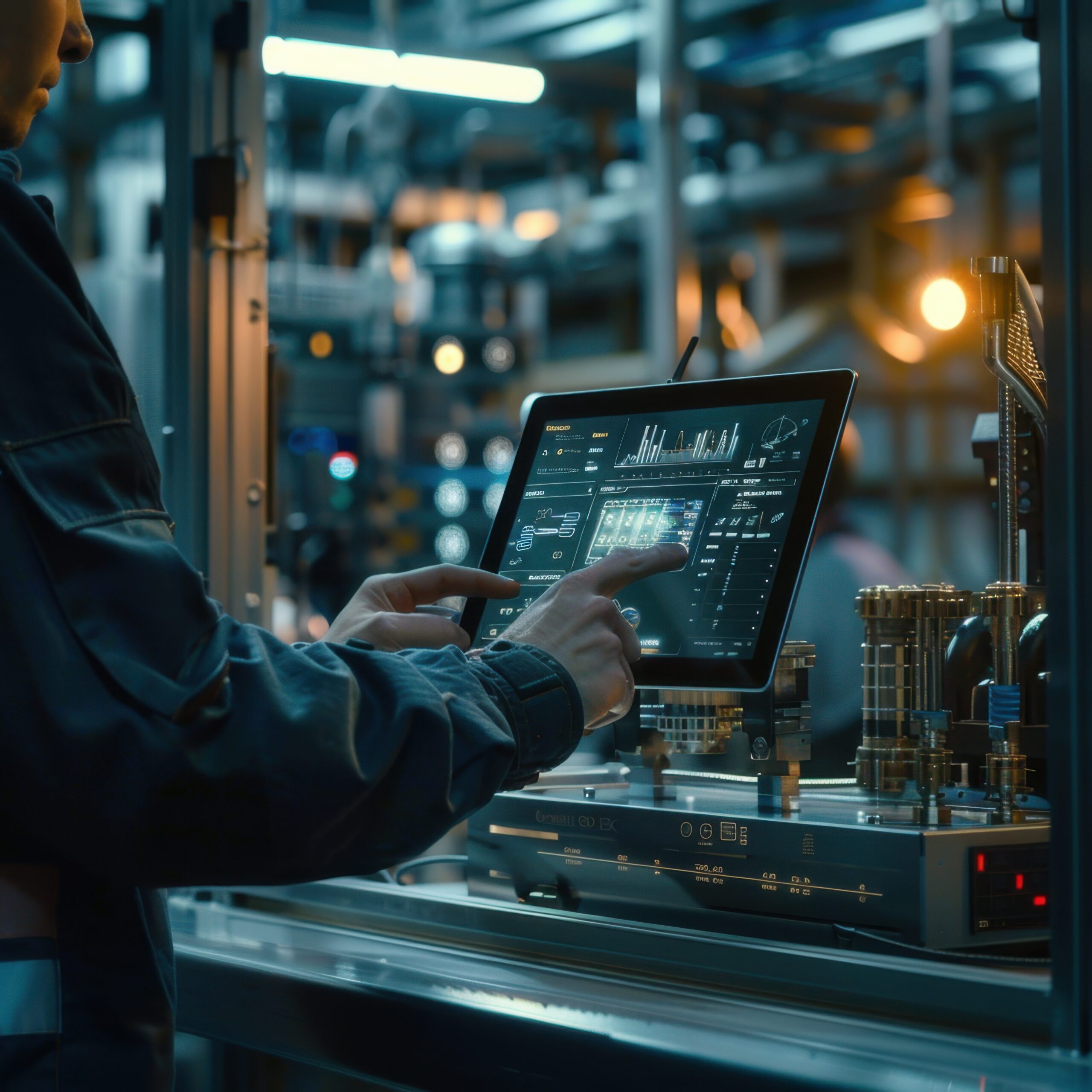
PLC programming was executed using Rockwell ControlLogix, following the client’s internal standards, while HMI development was built using standardized object libraries to ensure consistency and usability.
To reduce commissioning risks, the system was tested in a virtual environment using Contec VMs, simulating the full process behavior and validating control logic before deployment.
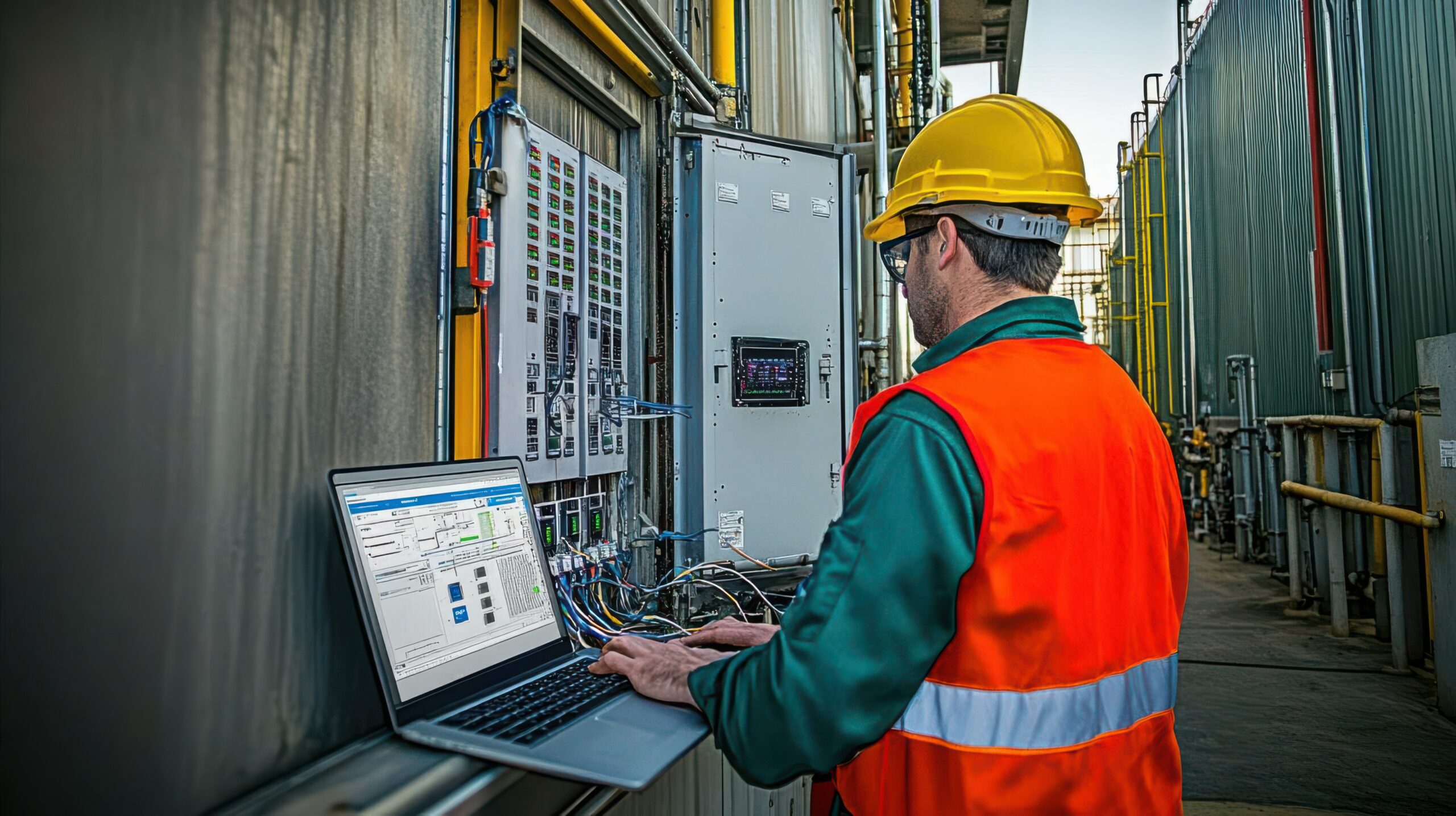
Following successful testing, the solution was implemented on-site, with start-up and commissioning executed in a controlled manner, ensuring seamless integration with the existing production line.


